
- February 27, 2026
- Posted by: admin
- Category: Leadership Development
The Role of Emotions in Gambling
Emotions play a pivotal role in the decisions made by casino-goers. The thrill of winning can lead to a rush of excitement, encouraging players to continue gambling despite previous losses. This emotional high, often referred to as a “gambling rush,” can cloud judgment and lead individuals to engage in more risky betting behaviors. Conversely, negative emotions, such as disappointment after losing, can prompt people to chase their losses, further entrenching them in a cycle of gambling. Engaging in activities such as poker online real money can amplify these emotions, presenting both opportunities and challenges for players.
Understanding the emotional landscape of gambling reveals why individuals may engage in this activity despite knowing the odds are against them. The highs and lows of casino gaming create a rollercoaster of emotions, pulling players deeper into the experience. Consequently, casinos design their environments to maximize these emotional responses, incorporating bright lights, celebratory sounds, and even complimentary drinks to enhance the overall atmosphere and keep players engaged.
Influence of Cognitive Biases
Cognitive biases also play a significant role in how players make decisions at casinos. One prevalent example is the “illusion of control,” where players believe they can influence the outcome of games based on their actions, even in purely chance-based games. This misconception can lead to overconfidence, causing gamblers to make unwise choices that deviate from rational decision-making.
Moreover, the “gambler’s fallacy” can further distort judgments. Many players think that previous outcomes affect future ones, such as believing that a slot machine is “due” for a payout after a series of losses. This reliance on flawed reasoning shapes their gaming strategies and can lead to continued investment in games where the odds remain unchanged.
The Social Aspect of Gambling
The social dynamics of casino gaming cannot be overlooked. Many individuals are drawn to casinos not just for the chance to win money, but for the camaraderie and social interaction they offer. The presence of friends or fellow gamblers can significantly influence the excitement of the experience, leading to shared decisions and collective betting behaviors.
This social engagement can also lead to groupthink, where the decisions of one player can influence another, often amplifying risk-taking behaviors. The supportive atmosphere can obscure the harsh realities of gambling losses, making it easier for individuals to justify continued play. Ultimately, the casino experience becomes more than just a solitary pursuit; it transforms into a shared social experience that complicates decision-making processes.
The Impact of Environment on Decision-Making
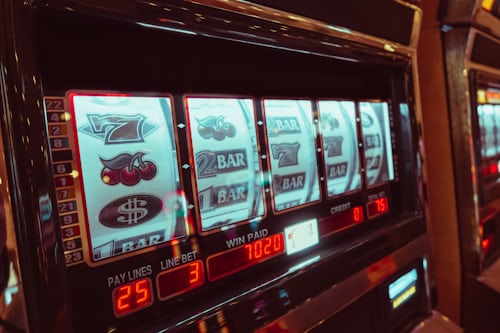
The physical environment of a casino is meticulously designed to influence player decisions. From the layout of the gaming floor to the placement of machines and tables, every detail aims to enhance engagement and prolong play. Casinos often utilize vibrant colors, enticing sounds, and strategic lighting to create a stimulating environment that captivates players and encourages them to spend more time gambling.
This immersive experience can lead to sensory overload, making it difficult for players to make rational decisions. The sound of coins clinking, flashing lights, and the general buzz of excitement can overwhelm an individual’s ability to accurately assess risk. As a result, players may find themselves making impulsive choices, ultimately driven by the environment rather than calculated reasoning.
Understanding Your Gaming Choices Through Awareness
Becoming more aware of the psychological factors influencing gambling decisions can empower players to make more informed choices. By understanding the emotional and cognitive biases at play, individuals can develop strategies to mitigate their impact. This might involve setting strict limits on time and money spent gambling or taking breaks to reassess one’s emotional state.
Additionally, recognizing the social influences at play can help gamblers maintain a healthier relationship with gaming. Whether for fun or as a serious endeavor, being mindful of the environment and the emotional triggers present can enhance the overall experience while reducing the risk of unhealthy gambling behaviors. Ultimately, awareness is key to navigating the complex psychology of casino gaming decisions.