
- May 20, 2025
- Posted by: admin
- Category: Sober living
It is important to note that not everyone who consumes alcohol will experience alcohol-related brain damage, but heavy and chronic alcohol use increases the risk. When the concentration of alcohol begins to increase in your bloodstream, you’ll start to feel good. You might feel happy, more social and confident, and less inhibited. This is because alcohol stimulates the release of dopamine and serotonin, which are sometimes referred to as your “feel good” hormones. In this stage, alcohol poisoning can lead to complete unconsciousness, where the person is unresponsive to external stimuli and unable to wake up.
Alternate Non-Alcoholic Drinks
- Inexperience means first-time drinkers of any age may be unable to know their limits, which leaves them unsure of whether or not what they’re experiencing is normal.
- These consequences can range from mild impairments to more severe long-term effects on brain function.
- On the other hand, individuals with lower alcohol tolerance may experience more pronounced effects of alcohol even with smaller amounts.
- If you tend to be sentimental, you might find yourself tearing up more easily.
Drinking for the first time, especially at a young age, may feel like joining a club or “coming of age.” It may stem from a desire to fit in or simply be a response to curiosity. But if you decide to drink, stay mindful and practice moderation to ensure a positive and safe experience. In general, monitoring and preventing excessive drinking involves setting realistic goals and recognizing triggers.
The effects of alcohol on the brain can also result in slowed reaction times and decreased inhibitions. Additionally, excessive alcohol consumption can lead to blackouts or memory loss, as alcohol interferes with the formation of new memories. Understanding the science behind being drunk and the stages of intoxication can help individuals make informed decisions about alcohol consumption and promote healthier drinking habits. BAC is a critical factor in determining the effects of alcohol on the body and mind. Many people are curious about how alcohol affects the body, both physically and emotionally.
Stages of being drunk
The phases of “drunkenness” typically follow a predictable progression, each marked by distinct physical and psychological changes. Understanding these stages can illuminate how does it feel to be drunk at various levels of intoxication. Each year, about 95,000 people in the United States die from alcohol-related causes, making it one of the leading preventable causes of death. This figure includes deaths from long-term health problems like liver disease and cancer, as well as short-term issues like traffic fatalities and other accidents. Beyond mortality, alcohol contributes to millions of injuries, emergency room visits, and instances of chronic illness annually.
Understand the Risks and Get Help
By noticing your emotional patterns, you can begin to understand them and choose a more thoughtful way to proceed, rather than letting your feelings run the show. Initially, individuals may feel happy and relaxed, but as intoxication increases, these positive emotions can quickly turn into irritability, sadness, or anger. These mood swings are often unpredictable and can lead to conflicts and misunderstandings in social settings.
- Suddenly, you’re an incredible dancer or the world’s most hilarious stand-up comedian.
- They might start to slur their words or become less coordinated, but nothing can bring their mood down.
- In these cases, be conscious ofhow alcohol is affecting youand remember the BAC limit for driving in the U.S. is0.08.
- Recognizing the early signs of being tipsy is a crucial part of mindful drinking.
- ” It’s not just one feeling but an evolving cocktail inside your body affecting every sense differently depending on dose, tolerance, genetics, and context.
Alcohol Tolerance
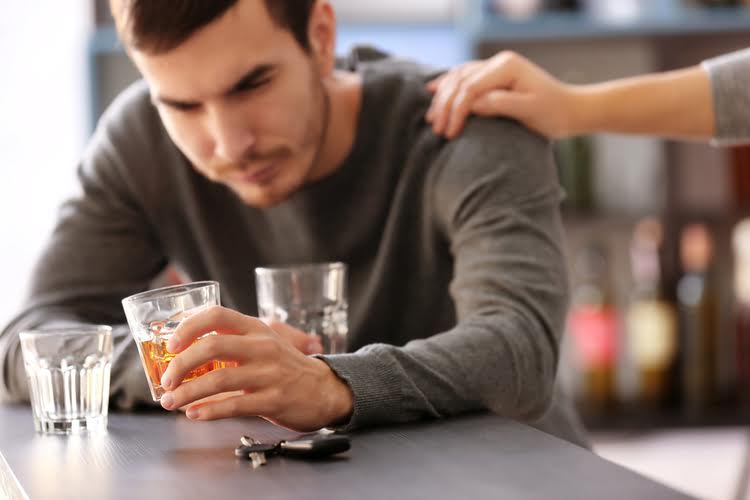
Someone who has consistently participated in extreme amounts of drinking will have a higher tolerance. It will take more for them to reach their desired state of mind and to satiate the body and the brain’s cravings. For others beyond youth who may be drinking for the first time, being well-informed about alcohol’s effects is just as important. Inexperience means first-time drinkers of any age may be unable to know their limits, which leaves them unsure of whether or not what they’re experiencing is normal. As a result, the lessons we learn from getting drunk for the first time are often hard lessons.
Relationship with Depression and Anxiety
More and more alcohol is needed before the brain’s reward center is satisfied, fueling a dangerous spiral of increased consumption. Alcohol has a significant impact on the cognitive and motor skills necessary for safe driving. As a central nervous system depressant, alcohol slows down the brain’s processing speed, which directly translates to delayed reaction times behind the wheel.
When people are unable to stop or control their drinking, they may black out more often than others. Most of us know someone who goes from quiet what does getting drunk feel like and reserved to extremely touchy-feely when they are drunk. The consequences of driving under the influence can be severe, including legal penalties, license suspension, increased insurance rates, and potential harm to oneself and others. It is always advisable to avoid driving when under the influence of alcohol. Instead, consider alternative transportation options such as designated drivers, public transportation, or ride-sharing services to ensure everyone’s safety.
Alcohol significantly impairs judgment and decision-making abilities. This impairment is due to its effect on the brain’s prefrontal cortex, which is responsible for rational thinking and impulse control. As a result, individuals may engage in risky behaviors, such as driving under the influence or making poor financial decisions.
Your BAC definitely plays a role in drunkenness, but isn’t the https://ecosoberhouse.com/ only factor in how drunk you feel. Your brain produces antidiuretic hormone (ADH), which tells your kidneys how much water to retain. Alcohol limits ADH production, which brings us to our next body part.
- When you drink alcohol, your body metabolizes it through your liver, but the effects start long before your liver has finished processing it.
- It’s important to note that even at lower levels of intoxication, alcohol can still impact coordination and increase the risk of accidents or injuries.
- The experience of being drunk can be divided into several stages, each characterized by different physical and emotional effects.
- In the next sections, we will explore the physical signs of alcoholism, cognitive consequences of alcohol use, and the emotional impact of alcohol consumption.
- Beyond mortality, alcohol contributes to millions of injuries, emergency room visits, and instances of chronic illness annually.

Let’s consider several helpful strategies for any drinker but especially those drinking for the first time. Paying attention to this rule is important not only for the safety of ourselves and others, but because the legal consequences of drinking and driving are serious. We could lose our license, or even go to jail — and the consequences only go up when we commit other traffic violations (like speeding or running traffic signals) while intoxicated. Early experimentation with alcohol among youth is very common in Western countries, as Arlette Buchmann and her colleagues reported in 2009. In the United States, nearly a third of us report having their first drink between the ages of amphetamine addiction treatment 16 and 18.
This tipsiness begins when alcohol enters the body’s bloodstream and starts to affect the functions of the brain and body. As you drink, alcohol goes into your bloodstream and affects your brain and body functions. When you drink a lot, your body and brain functions slow down considerably.